
News
JUC Students Explore Samaria Through Geography and Scripture
JUC students explore Samaria’s biblical history and geography through field study at Bethel, Ai, Shiloh, Jacob’s Well, Sebaste, and Mount Gerizim.
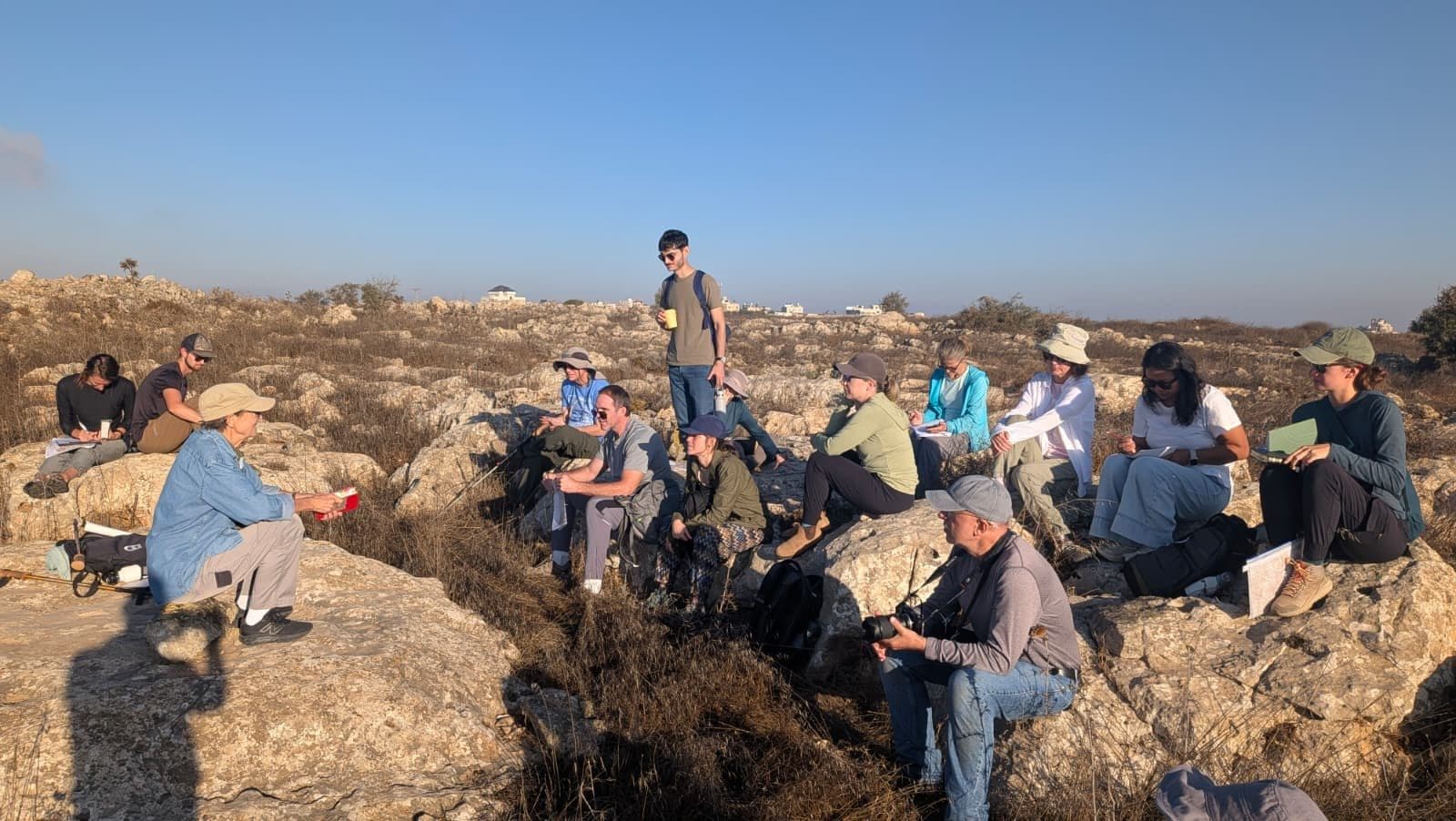
Jerusalem University College students explored the biblical and geographical history of Samaria during a GEO 5/311 Physical Settings field study reported in the October 2, 2026, edition of Friday AM. Writing about the experience, Blake Myers, M.A. in Biblical History and Geography, described visits to Bethel and Ai, Shiloh, Jacob’s Well, Sebaste, and Mount Gerizim.
The group began at an overlook between Bethel and Ai, examining the area’s importance in accounts ranging from Abram and Lot to the book of Joshua and the divided monarchy. Their discussion included the Hebrew term ʾelef and how its possible meaning as a military contingent or clan can inform interpretations of the account of Ai.
At Shiloh, students studied archaeological remains and considered why the location served as a major center of Israelite worship for centuries. The site’s protected position within a fertile valley system helped illustrate its geographical advantages. The group also reflected on the accounts of Eli’s sons in 1 Samuel and Jeremiah’s later use of Shiloh as a warning to Jerusalem.
Traveling north to Jacob’s Well in modern-day Nablus, students considered Jesus’ conversation with the Samaritan woman in John 4. The discussion emphasized her theological engagement with Jesus and her invitation to others in her community to encounter him.
The field study concluded at Sebaste and Mount Gerizim, where views across the hill country highlighted how ridge-and-valley systems influenced travel, defense, and settlement. The group connected these observations with biblical narratives, including 2 Kings 6.
Through site visits, archaeological study, and attention to the terrain, the students examined the close relationship between biblical texts and the physical geography of the land.