
"The Setting of God's Story" Conference
Join JUC for a one-day in-person conference exploring the world of Scripture through the land, cultures, and people of the ancient Near East. Discover how geography and history bring the biblical world into clearer focus and deepen your understanding of Scripture.
Event Date
July 25, 2026
Event Location
North Heights Church (Event located through Entrance B)
1700 Hwy 96 W, Arden Hills, MN 55112
Event Cost
The cost per guest is $49. This includes event costs, lecture materials, and a boxed lunch.
Event Schedule
| Time | Activity |
|---|---|
| 8:30am | Doors open |
| 9:00am | Welcome |
| 9:15am | Session 1 - "Cats, Mice, and the Eyes of the LORD in a Land Between" - Dr. Paul Wright |
| 10:30am | Coffee and Snack Break |
| 10:55am | Session 2 - "Where You Live Shapes How You Live: Heartlands, Margins, and the Spaces in Between” - Dr. Elaine Phillips |
| 12:10-1:20pm | Catered Box Lunch - lunch is included in the ticket price. |
| 1:30pm | Session 3 - “The Shephelah as a Transitional Zone” - Dr. Carl Rasmussen |
| 2:55pm | Coffee and Snack Break |
| 3:15pm | Session 4 - "The People Jesus Met” - Dr. Oliver Hersey |
| 4:30pm | Q&A Panel |
| 5:00pm | Event End |
Session Descriptions & Speakers
"Cats, Mice, and the Eyes of the LORD in a Land Between"
What does it mean to call the Land of ancient Israel “the Land Between?" Why did God choose this land? The figures of cats and mice help us enter the biblical geopolitical world. “Cats” represent the superpowers of the day. Their paths of commerce and conquest often overran the more local “mice” on the way, one of which was the Land of biblical Israel. Only when the superpowers were weaker for a season did the mice come out to play. Join Dr. Paul Wright as he explores these dynamics. This was a contested place, but also always a land of tenacious hope.
|
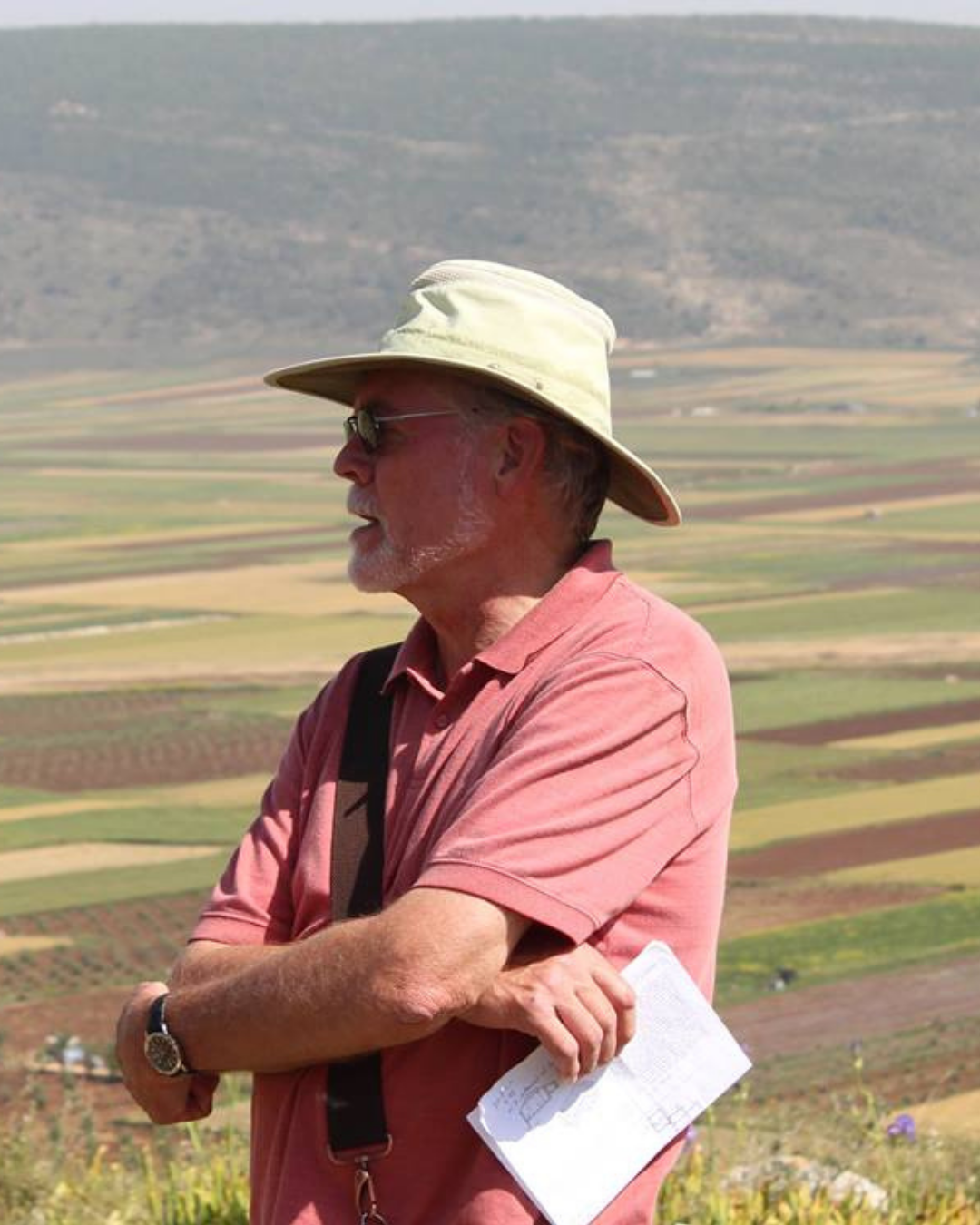
Dr. Paul WrightPresident Emeritus, Jerusalem University College. B.A., Bethel University; M.A., Institute of Holy Land Studies / Jerusalem University College; M.A., Trinity Evangelical Divinity School; M.Phil, Ph.D., Hebrew Union College. Excavations at Ramat Rachel, Giloh, and Tel Rehov. Recipient of the President's Medallion, Hebrew Union College. Published author. Began teaching at JUC in 1996. |
"Where You Live Shapes How You Live: Heartlands, Margins, and the Spaces in Between"
When the Bible says, “Wilderness of Judah,” what do you imagine? Why was Mt. Carmel the perfect setting for Elijah to confront the prophets of Baal and Asherah? And why did Jesus move from Nazareth to Capernaum? The answers to these questions are lodged deeply in the Land itself. The best stories have “backstories”—the details that help us locate the characters and the development of events. How very true of the biblical story! Even though this Land of Promise is only about the size of New Jersey, the narrative settings are amazingly varied. We will survey the significant biblical regions to see how the Lord used the resources and challenges of each to shape His people.
|
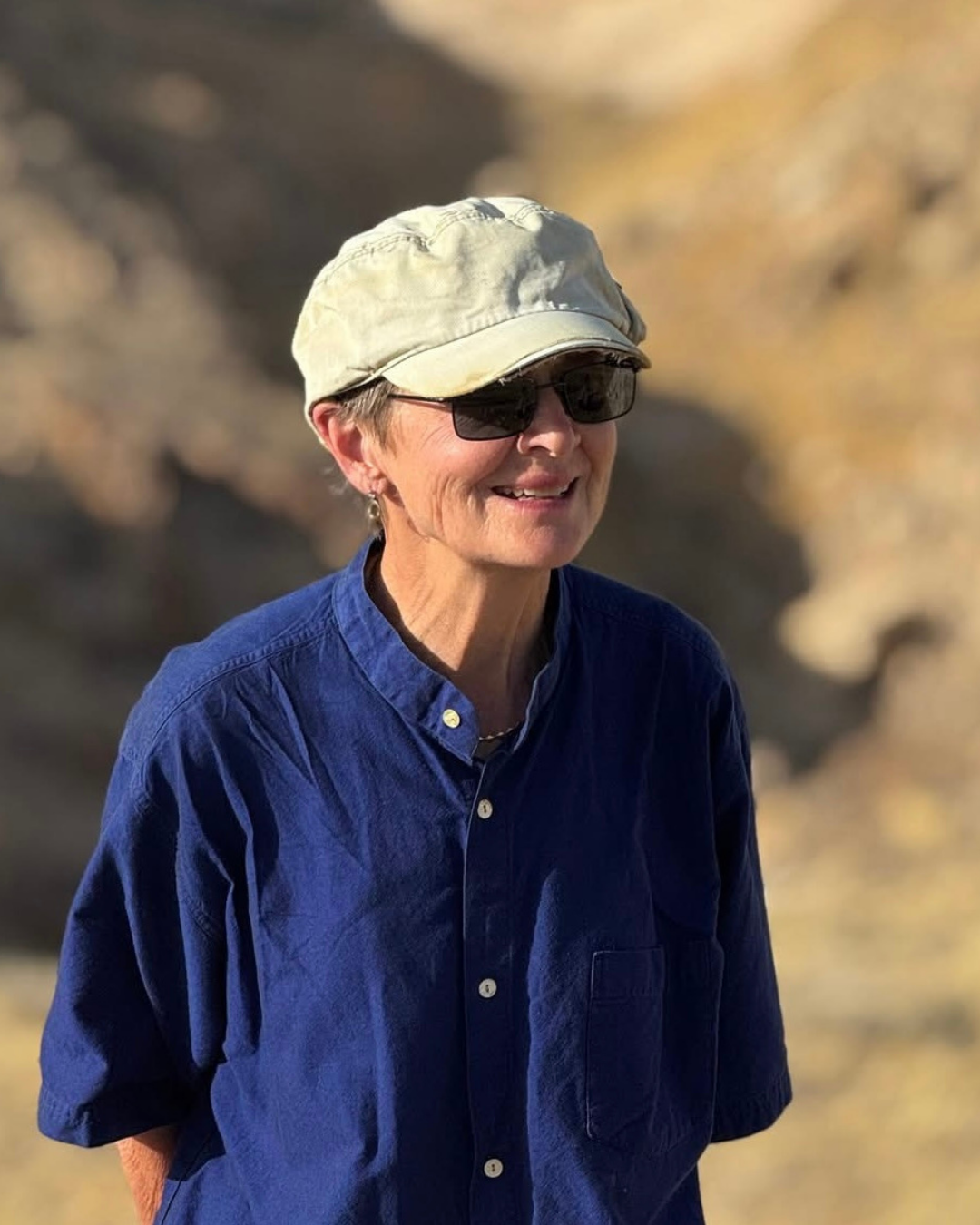
Dr. Elaine PhillipsB.A., Cornell University; M.Div., Biblical Theological Seminary; M.A., Institute of Holy Land Studies; Ph.D., The Dropsie College for Hebrew and Cognate Learning. Professor Emerita of Biblical and Theological Studies, Gordon College. Published author. Began teaching at JUC in 1997. |
"The Shephelah as a Transitional Zone"
All transitions—whether they be spatial, temporal, social, religious, or combinations of all of these—are challenging. The biblical stories that unfold in transitional spaces often reflect the collision of very different cultures. An excellent test case is the biblical Judean Shephelah, a transitional space between the security of the Judean hill country and the wide open coastal plain. Mentioned 20 times in the Old Testament, it was a vulnerable place that saw its share of conflict. Dr. Carl Rasmussen will explore this region where Samson encountered the Philistines, where David fought Goliath, and where 185,000 Assyrians died trying to invade Judah.
|
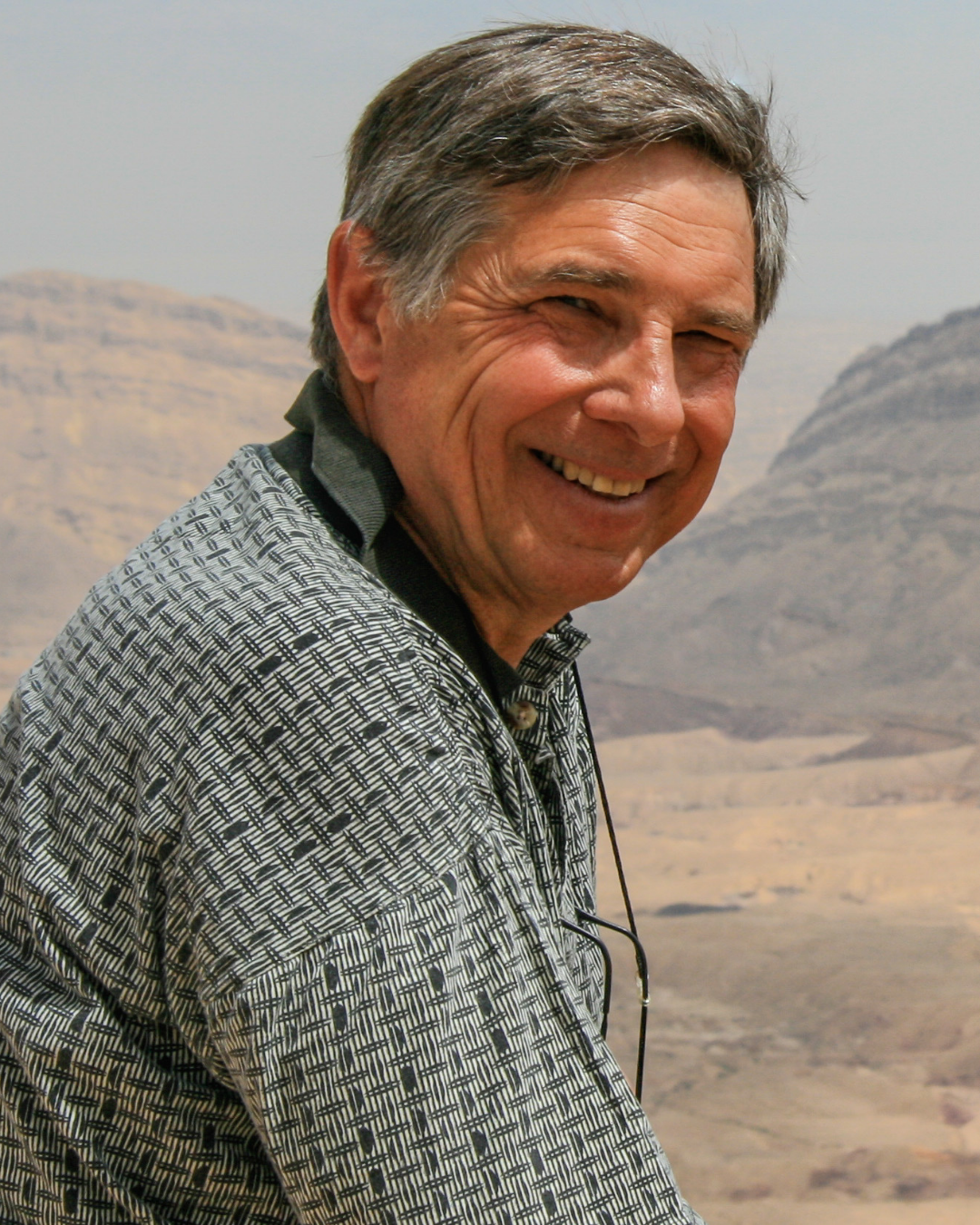
Dr. Carl RasmussenB.A., Luther College; B.D., Th.M., Trinity Evangelical Divinity School; graduate studies, Institute of Holy Land Studies; Ph.D., The Dropsie College for Hebrew and Cognate Learning. Professor of Old Testament, Bethel University. Began teaching at JUC in 1973. |
"The People Jesus Met"
During His ministry, Jesus encountered many different groups and individuals, all shaped by the geographical and political realities of the first century. Who were the Pharisees, Sadducees, and Zealots? Did Jesus ever meet up with the Essenes? What distinguished the Samaritans? How did Jesus and His fellow Jews view the Gentiles? In this session, we will explore where certain groups of people lived and how their history and surroundings affected their daily lives. We will examine Jesus' interactions with representative individuals as we read them in Mark 6-8 and John 2-4 to discern the impact his teachings had in their original contexts.
|
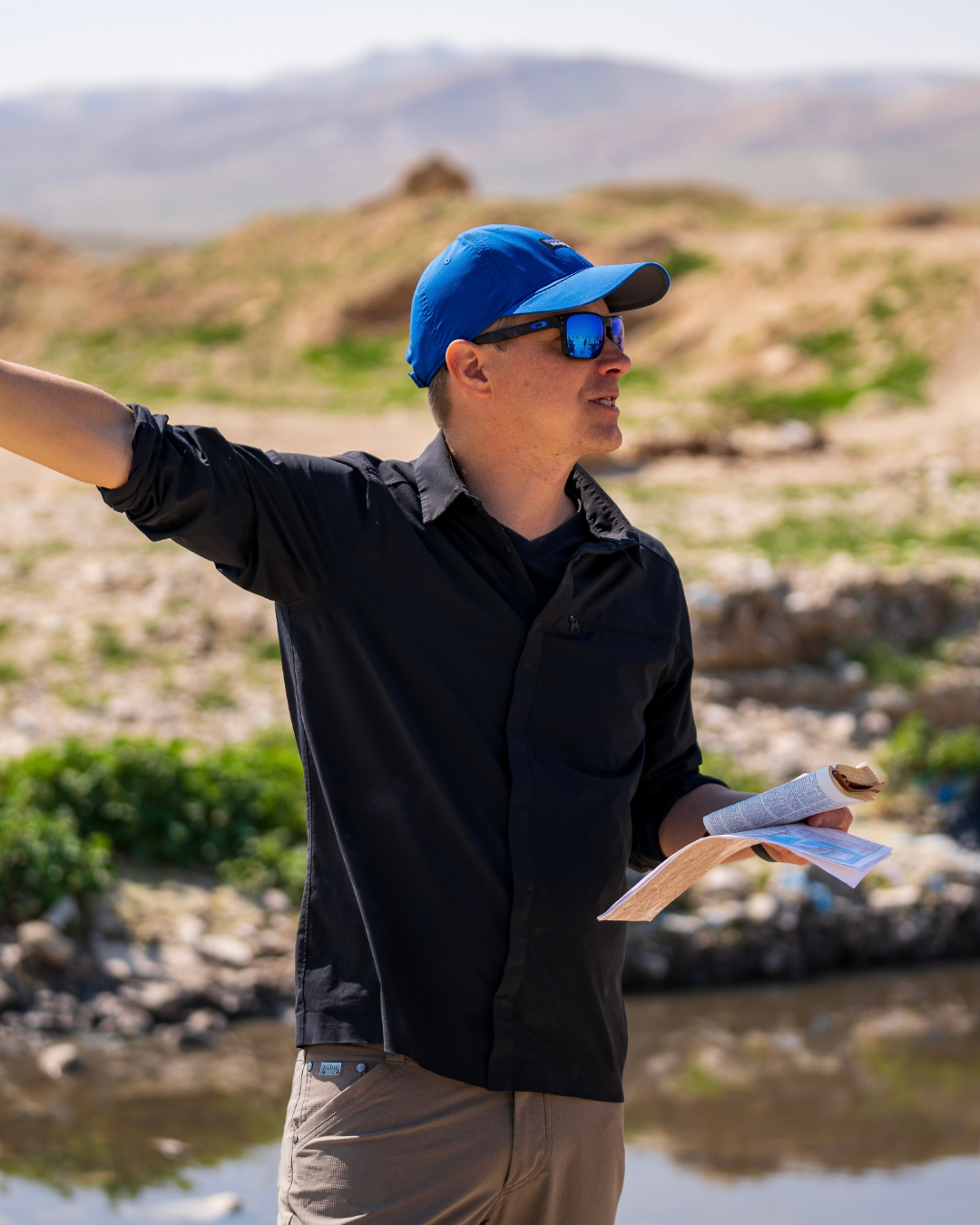
Dr. Oliver HerseyPresident, Jerusalem University College. B.A., Calvin College; M.A., Trinity Evangelical Divinity School; Ph.D., Trinity Evangelical Divinity School. Began teaching at JUC in 2021. |
Register Today
Cost: $49 Per Person
Included in the cost of registration is a catered box lunch, snacks, and coffee breaks. You will also receive conference handouts and study materials.
To receive the catered lunch, you must register before July 9.
Event FAQs
Bring a notebook/journal to take notes, writing utensils, highlighter, and a Bible.
Lunch will be served buffet-style and will include a variety of freshly made sandwiches from Frankie's Deli, along with chips, fruit, and other sides. Guests will be able to choose the sandwich and sides they prefer.
If you have any food allergies or dietary restrictions that may prevent you from enjoying the standard lunch options, please let us know when you register. We will do our best to provide a suitable alternative.
If you have questions about the upcoming event, please reach out to JUC at admissions@juc.edu.
The catering company for this event can make the meals gluten-free or vegetarian. If you have other dietary restrictions, please plan to bring your own meal. If you have further questions, please reach out to admissions@juc.edu.