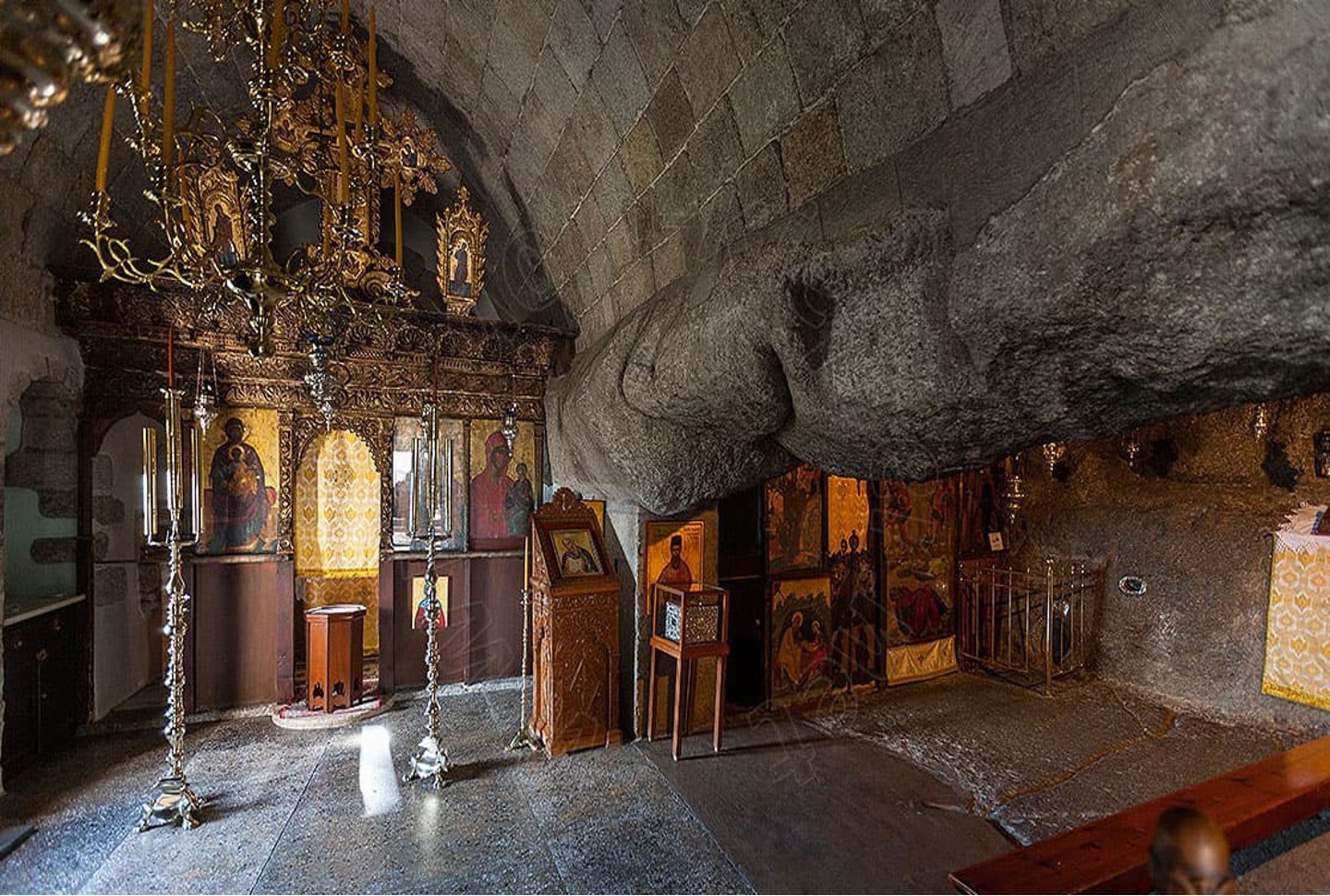
The Seven Cities of the Apocalypse
Journey through Patmos and the Seven Cities of Revelation, where Scripture, history, and geography come together to bring the biblical text to life.
Seven Cities of the Apocalypse
10 Days. 2 Countries. 7 Cities.
One Transformative Journey.
What You Will Learn
By the end of this course, you’ll have a deeper understanding of the Book of Revelation and the historical, cultural, and geographical settings in which its messages were first received. You’ll explore the seven churches addressed in Revelation, examining the challenges they faced, the significance of Christ’s messages to them, and the imagery that would have resonated with their original audiences. As you connect Scripture with the landscapes, cities, and cultures of the ancient world, you’ll gain fresh insight into the meaning and enduring relevance of Revelation. Whether you’re a student, pastor, or lifelong learner, this course will equip you to read Revelation with greater historical understanding and apply its teachings to your faith and ministry today.
What You Will Do
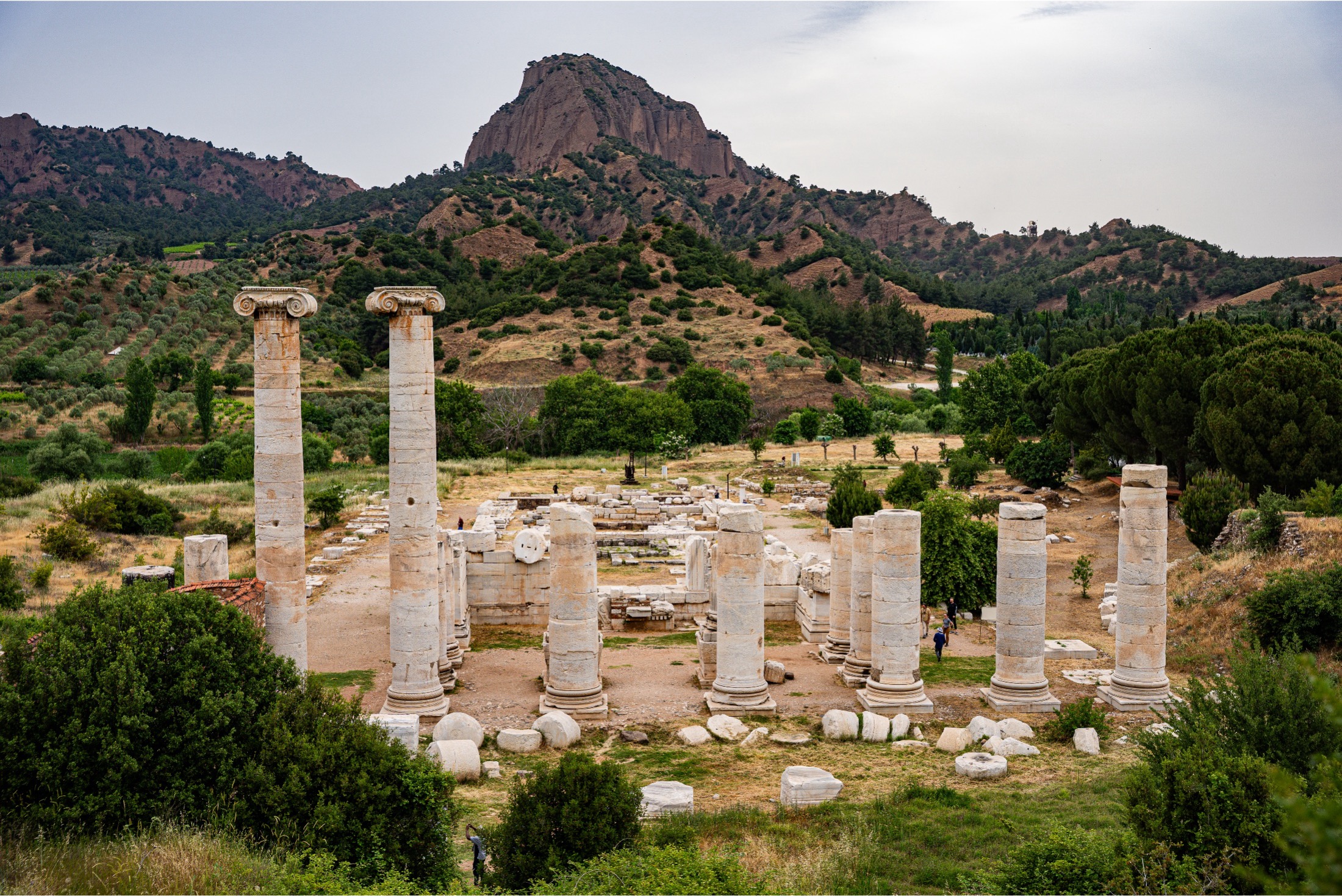
In Seven Cities of the Apocalypse: Patmos & Türkiye, you won’t just read the messages to the seven churches—you’ll explore the places where they were first received. Over eleven days, you’ll journey through Patmos and Türkiye, visiting the island traditionally associated with John’s vision and the ancient cities of Ephesus, Smyrna, Pergamum, Thyatira, Sardis, Philadelphia, and Laodicea. Through archaeological exploration, visits to significant historical sites, and on-site biblical teaching, you’ll discover how the geography, history, and culture of these places illuminate the imagery and messages of Revelation. Along the way, you’ll read Scripture in its geographical setting, reflect on its meaning, and consider its relevance for the church today. This immersive field study combines academic depth, firsthand exploration, and spiritual reflection to bring new understanding to one of the Bible’s most compelling books.
When It Is Offered
| Course Dates (Arrival-Departure) | Registration Deadline |
| 2028 | |
| 15-26 May, 2028 | 5 February 2028 |
How Much Does It Cost
| Pricing | 27-28 | |
| Hotel - Multiple Occupancy Room | $4,380.00 | |
| Hotel - Single Occupancy Room |
|
Ready to Apply?
Follow the link below to submit your application to JUC.
The Details
Sample Itinerary*
This is an example daily itinerary for The Seven Cities of the Apocalypse:
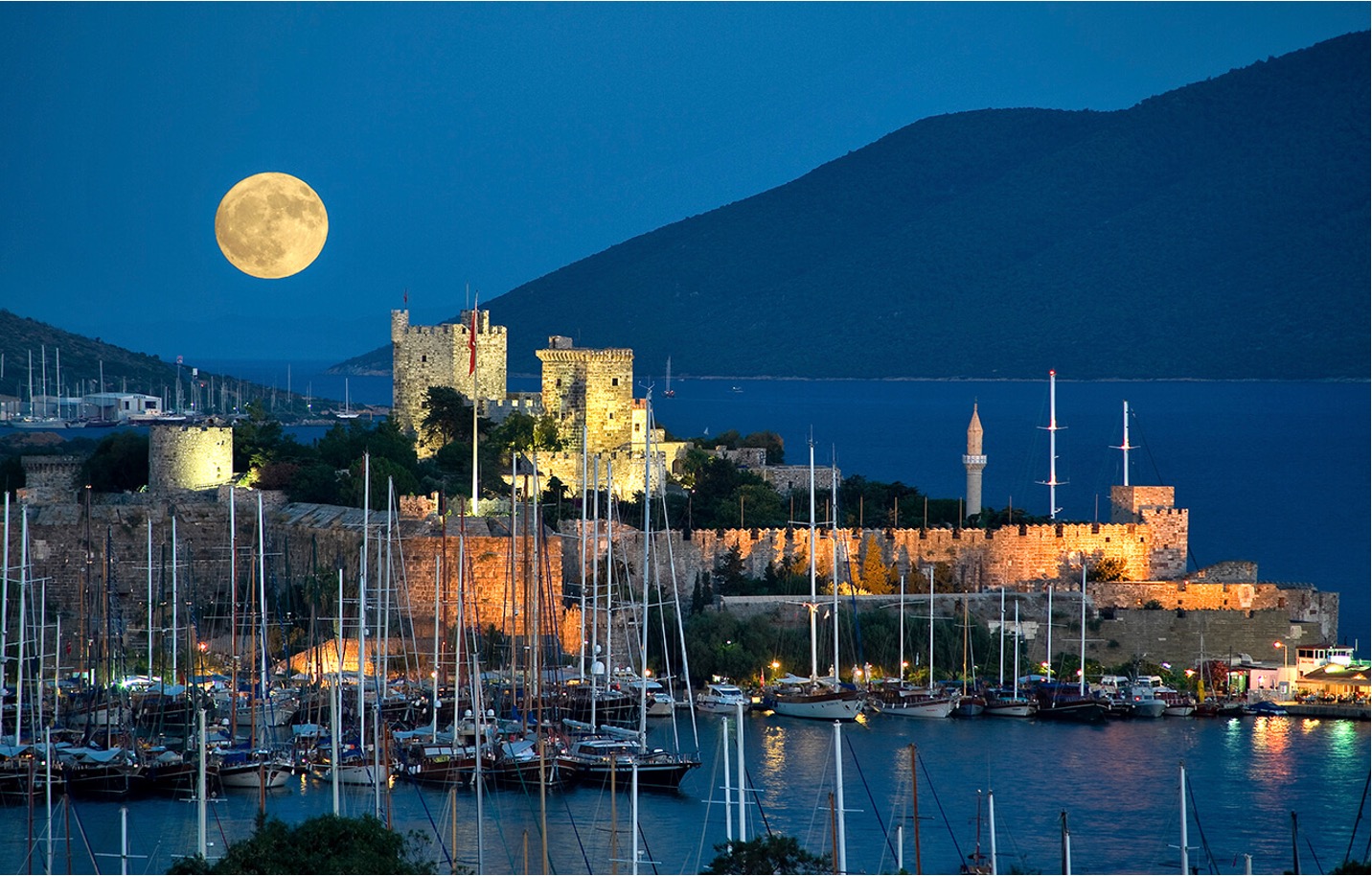
Day 1: Arrival Day and Meeting at Istanbul Airport (overnight in Bodrum)
Day 2: Exploration Day on the Isle of Patmos and Dinner with Island View at Loza (overnight on Patmos)
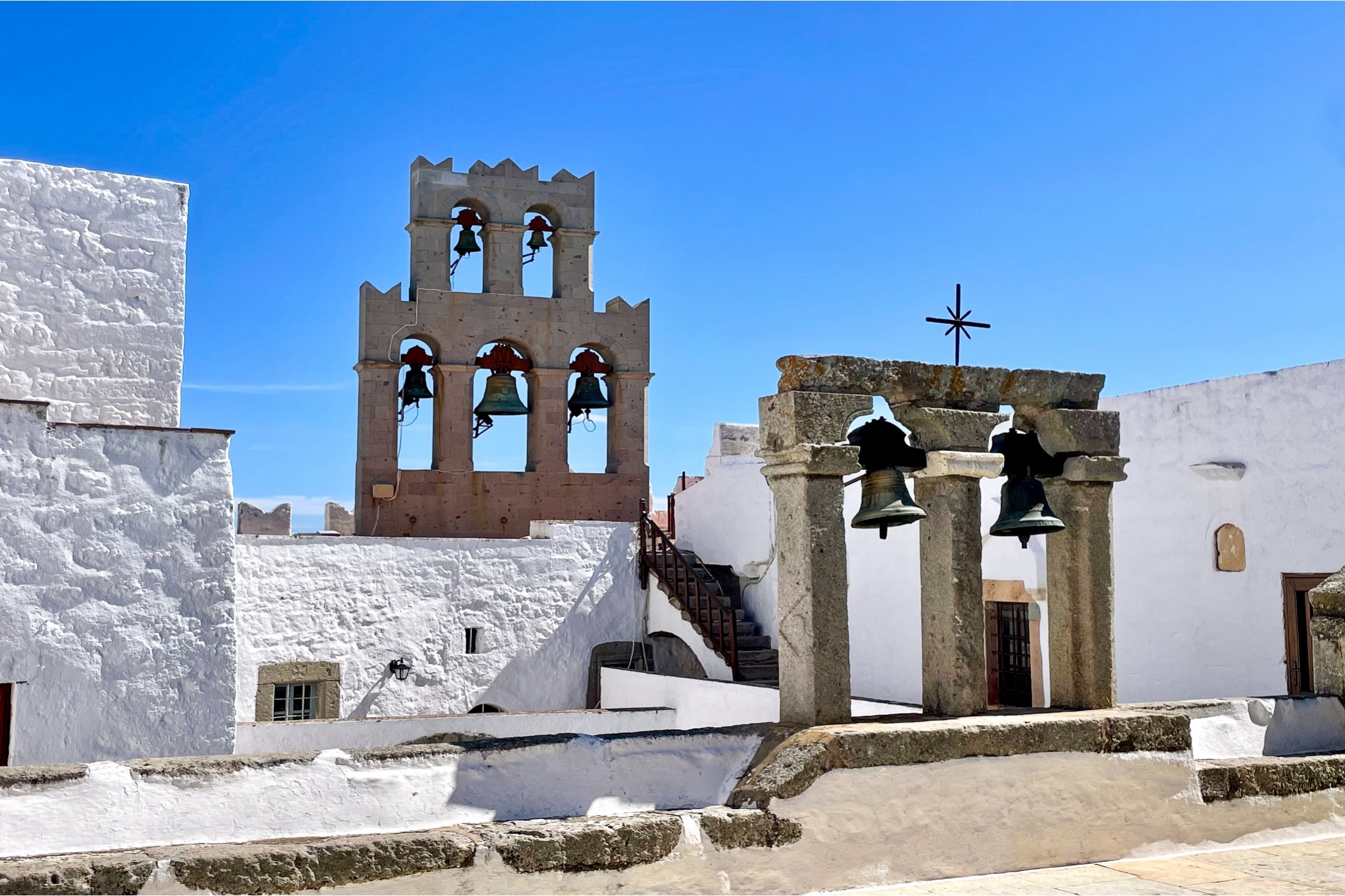
Day 3: Cave of the Apocalypse and Monastery of St. John the Theologian Field Studies and Dinner with Greek Dancing at Aloni (overnight on Patmos)
Day 4: Morning Lecture on Patmos and Afternoon Ferry to Bodrum (overnight in Kusadasi)
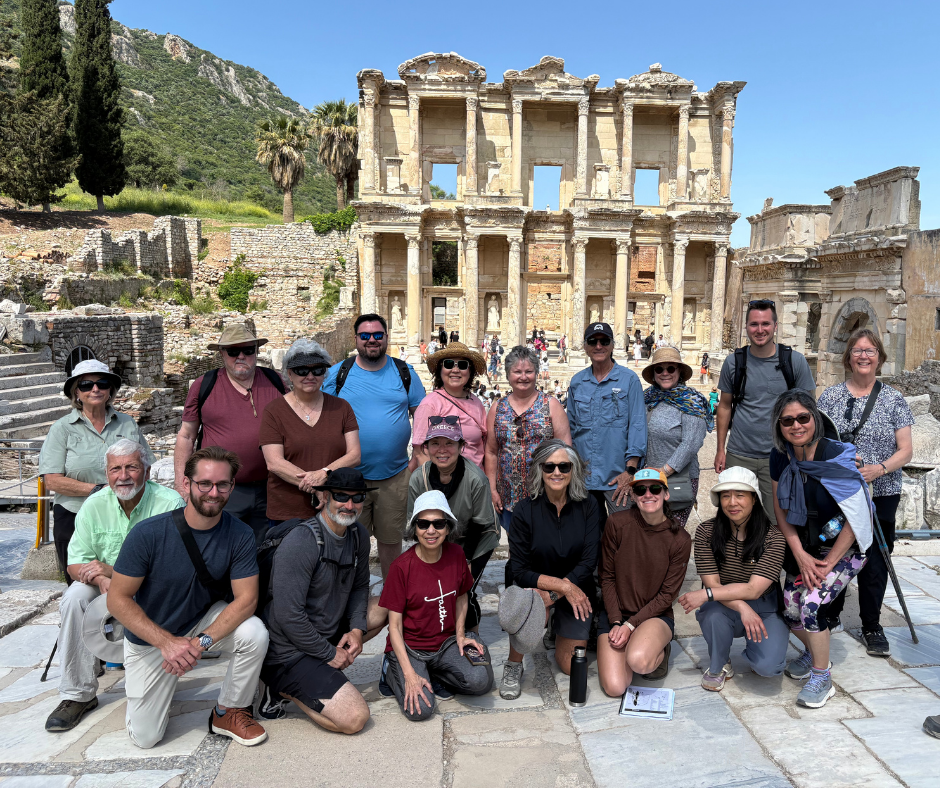
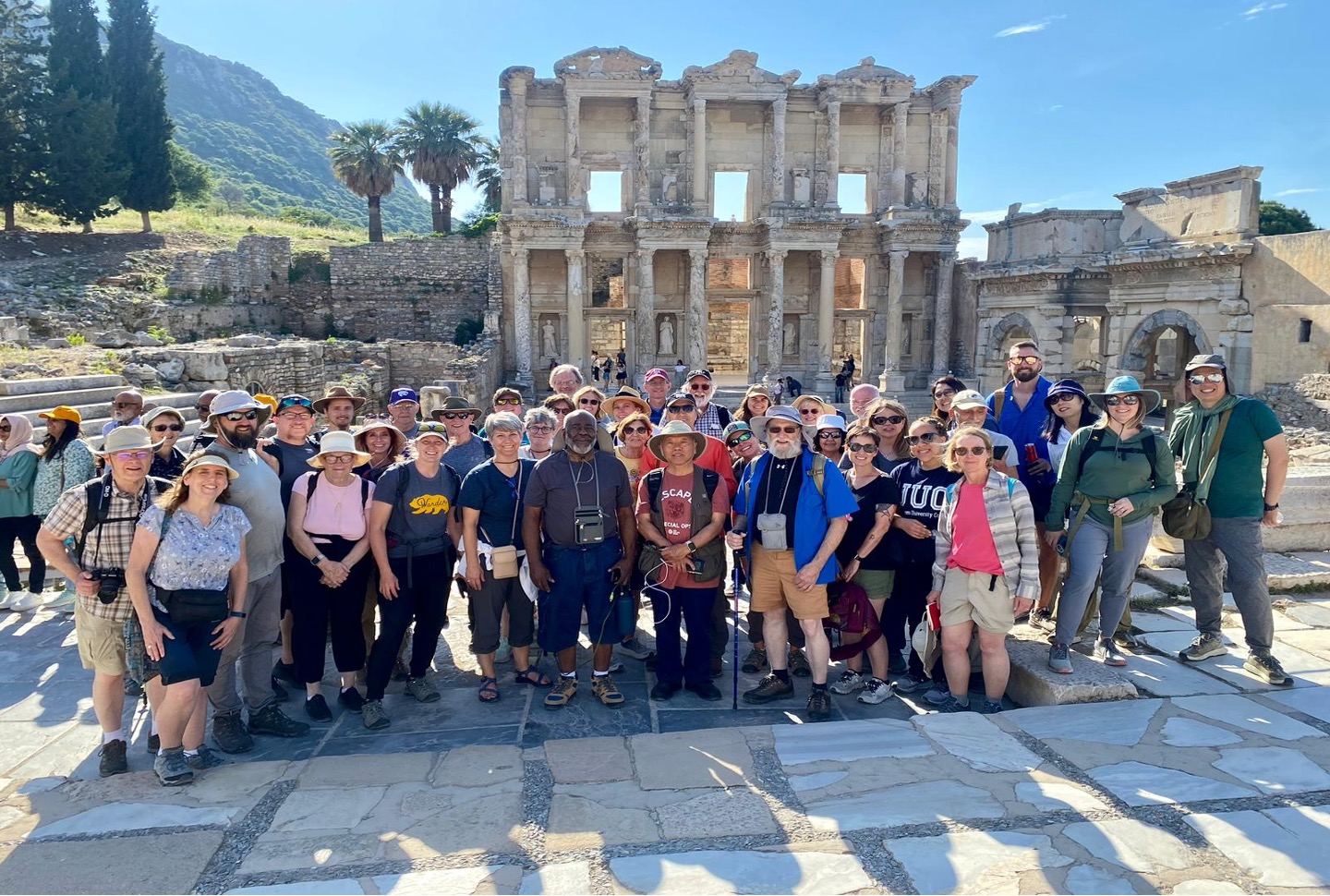
Day 5: Ephesus Field Study and Fireside with Pastor Zekai Tanyar (overnight in Kusadasi)
Day 6: Colossae and Laodicea Field Studies (overnight in Pamukkale)
Day 7: Thyatira and Pergamum Field Studies
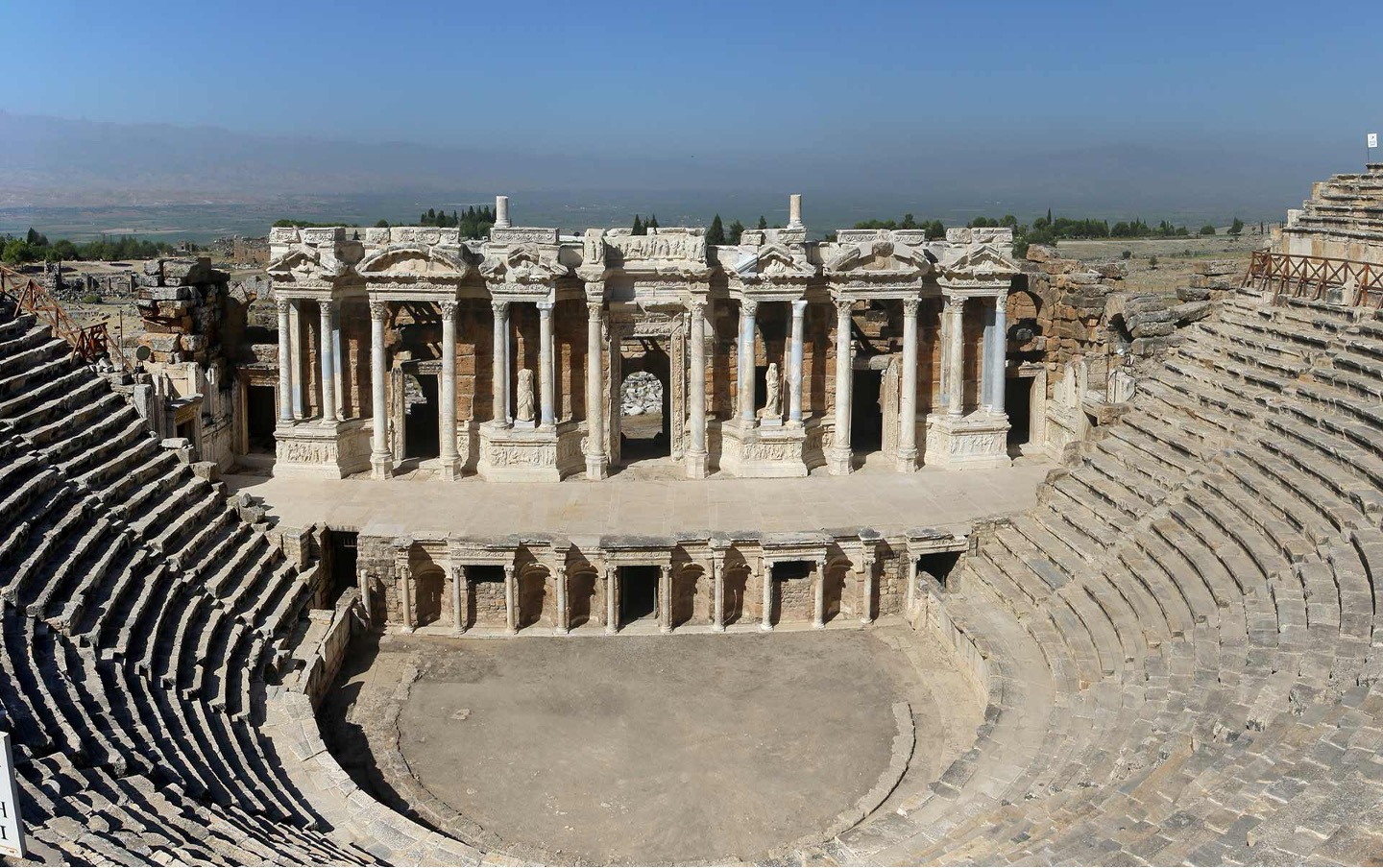
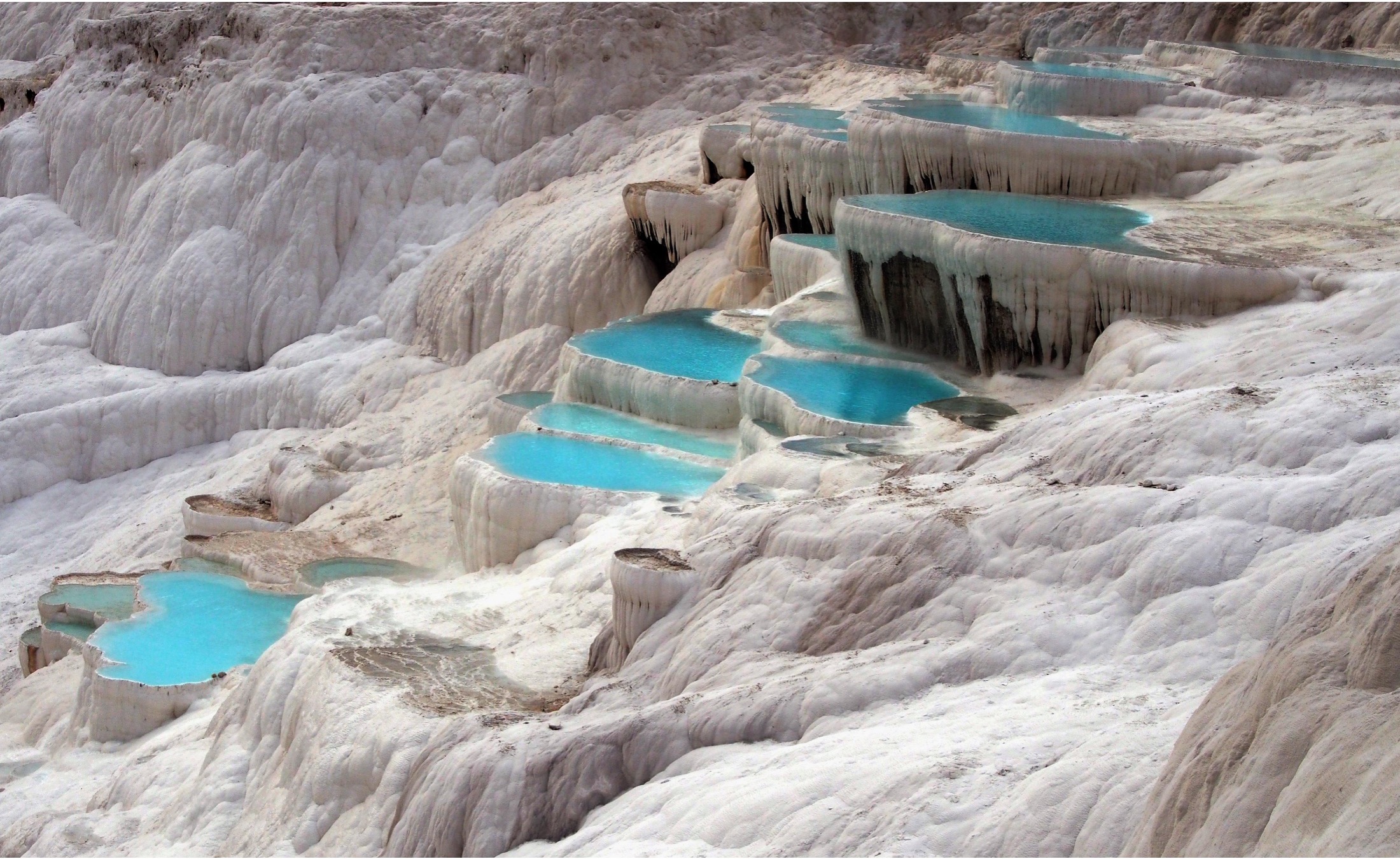
Day 8: Hierapolis, Travertines, Philadelphia, and Sardis Field Studies (overnight in Izmir)
Day 9: Smyrna Agora Field Study
Day 10: Departure Day from Izmir
*All itineraries are subject to change due to logistical
reasons or the preference of the instructor or group leader.
Your final course itinerary will be presented to you upon arrival.
Travel Course Faculty

Chris Vlachos, Ph.D.

Paul Wright, Ph.D.
Spencer Elliott, M.A.

Elaine Phillips, Ph.D.

Perry Phillips, Ph.D.

John (Jack) Beck, Ph.D.
Bryan Beyer, Ph.D.

Aubrey Taylor McClain, Ph.D.

John Monson, Ph.D.

Cynthia Parker, Ph.D.

Rebecca Pettit, M.A.

Carl Rasmussen, Ph.D.

Brian Schultz, Ph.D.
Emily Thomassen, M.A.

Chandler Collins, M.A.
Important Information
JUC offers both on- and off-campus housing for our short-term students on nights when they will stay in Jerusalem. We also arrange accommodations with hotels when the class is traveling for field studies. The hotels furnish buffet-style breakfasts and dinners. JUC students are provided with lunches by JUC whether in Jerusalem or on field studies.
Jerusalem Off-Campus Housing
Students can choose hotel housing rather than JUC campus housing for an increased housing fee. While JUC cannot guarantee that students will stay at any particular place, each hotel we contract with is well-rated and in or adjacent to the Old City of Jerusalem.
Jerusalem On-Campus Housing
Students who opt to spend nights in Jerusalem on campus will stay in dormitory-style housing, with 2-6 persons (or sometimes more) to a room. The campus has limited housing for couples with no double beds available. According to season and demand, private rooms for couples on campus may be available. Shared bathroom facilities are a short walk away from each room, sometimes across a courtyard and up or down a flight of stairs.
JUC’s program is academically and physically rigorous, including up to twelve hour days in the field or longer. The field studies involve hours of walking, standing, and several hikes (although some are optional). There are usually opportunities to sit throughout the day and plenty of time on the bus. However, students should expect an intensely physical program and plan to sweat.
Everyone traveling to Israel must have a passport that expires at least six months after they plan to exit the country at the end of their program.
Short-term students who travel from countries that have normal relations with Israel will be issued a three-month tourist visa upon arrival. Students from the United States, Canada, and most European countries fall under this category. Students who come from countries that do not have normal relations with Israel will need to make prior visa arrangements before entering the country.
Read more about obtaining tourist visas here.
Students from countries who do not have a regular relationship with Israel may need additional security or immigration approval to study in Israel. Students from such countries may be responsible to apply for a visa at their nearest Israeli Consulate or Embassy, or JUC may need to apply on their behalf at the Ministry of Interior in Jerusalem. Visa decisions are entirely at the discretion of the Ministry of Interior, so JUC cannot guarantee that you will be able to obtain a visa successfully. Please contact us if you are from a country that does not have a regular relationship with Israel and have questions about this process.
Please note: if you plan to participate in the Jordan Extension and you are required to secure an entry visa into Israel prior to the start of the program, you MUST request and be granted a visa allowing multiple entries into Israel.
A suggested packing list for JUC students is available in our student manuals. For long-term students who will be at JUC for a semester or more, here is a list of what to pack. For short-term students who will be at JUC for a few weeks, here is a list of what to pack.
We take the safety of our students with the utmost seriousness and have a proven track record of operating for over 60 years in the Holy Land. Click here for detailed information about how JUC handles local issues related to safety and prepares students to do the same.
Contact Us
Send us a note and we'll be in touch.